Radioactive Wasteland to Nature Sanctuary: The Remediation of Fernald Preserve
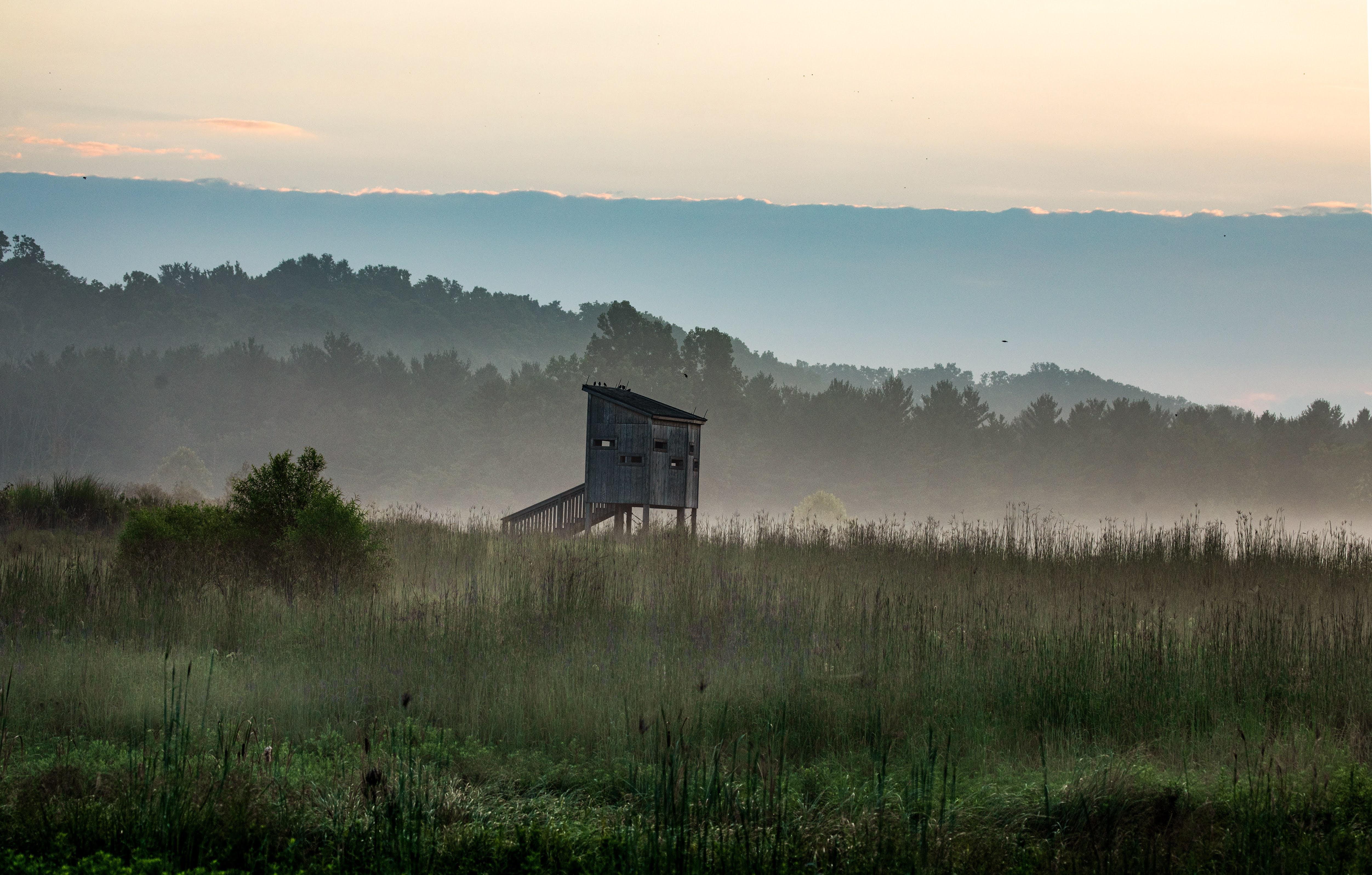
For over three decades, the land now called Fernald Preserve was a highly classified processing site for 500 million pounds of high-grade uranium used in nuclear weapons. By 1989, the radioactive pollution had seeped into the groundwater, soil, surface water and air-- making Fernald one of the nation’s worst Superfund sites.
The comprehensive restoration of the site was completed (with the exception of groundwater) in 2006 at a cost of $4.4 billion. At the time, this was one of the largest environmental cleanup operations ever undertaken in U.S. history. This park is a reminder that nature can heal if we work with it.
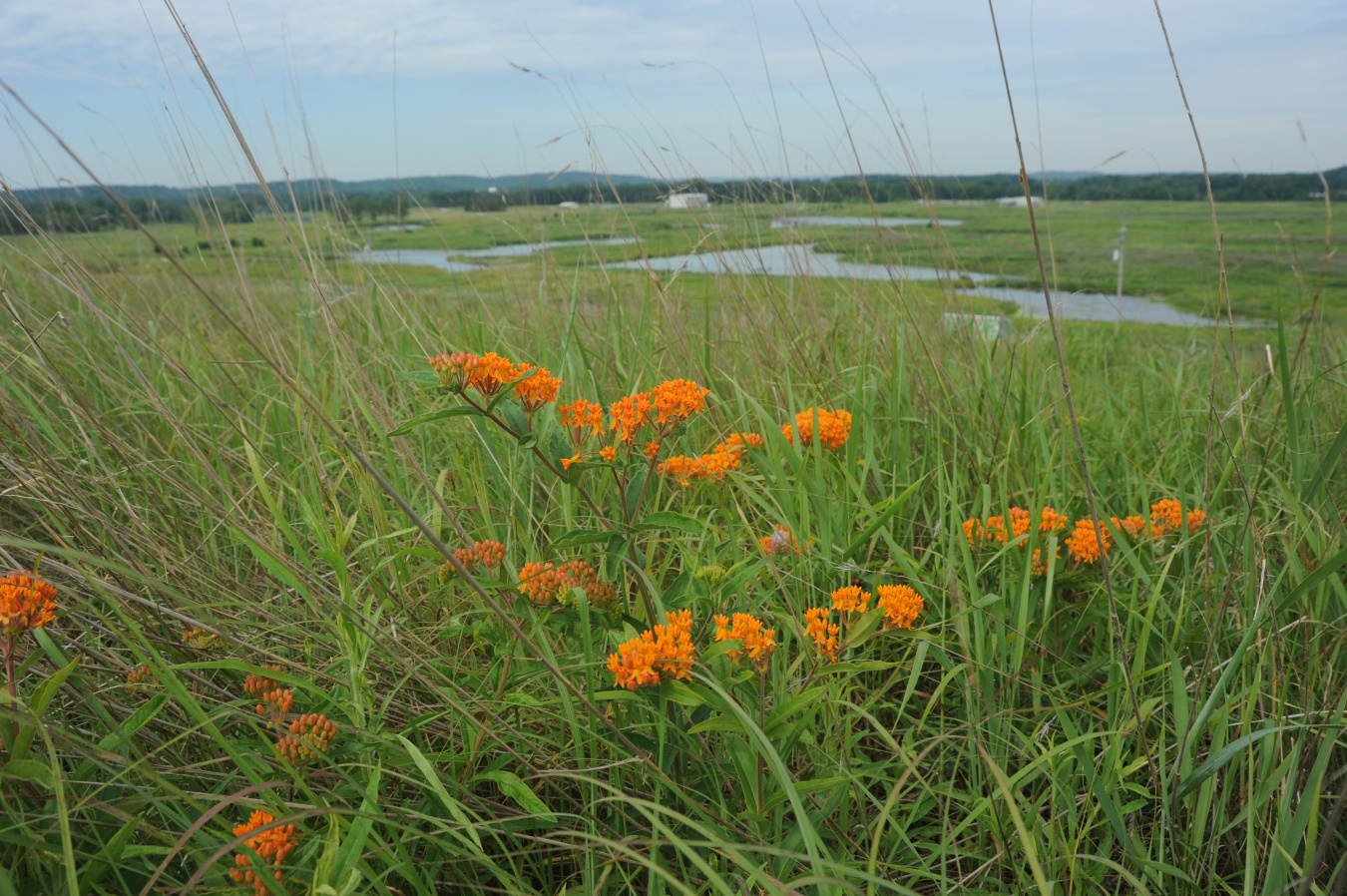
This 1,050 acre nature preserve site now contains one of the largest human-made wetland and open water habitats in Ohio. It attracts a variety of wildlife, including over 260 species of birds. The site’s restored habitats include forests, a lengthy riparian corridor, and more than 200 acres of prairies. Portions of all of these habitats are accessible via a 7 mile network of trails.
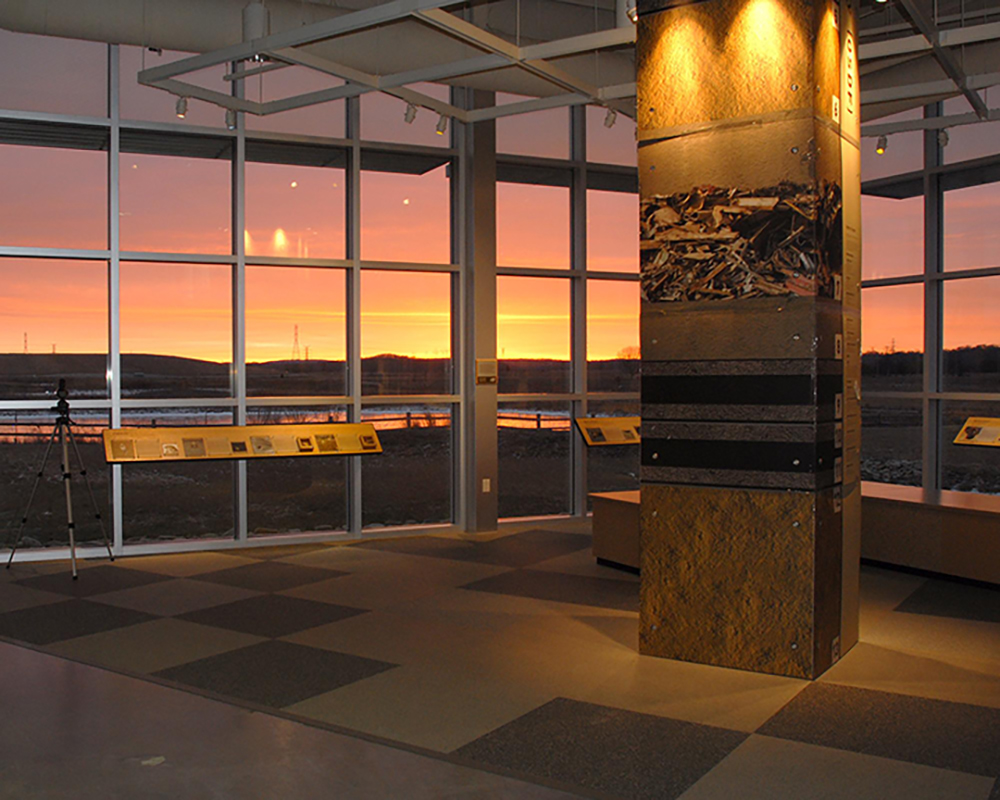
Exhibits in the award-winning Fernald Preserve Visitors Center depict the diverse history of the site, telling the story of the land from the time of the Native Americans, through the arrival of settlers and farmers, to the uranium-processing years, and finally the environmental cleanup and legacy management period that continues today.