Is the Great Miami River Safe? Understanding Bacteria Levels and River Recreation
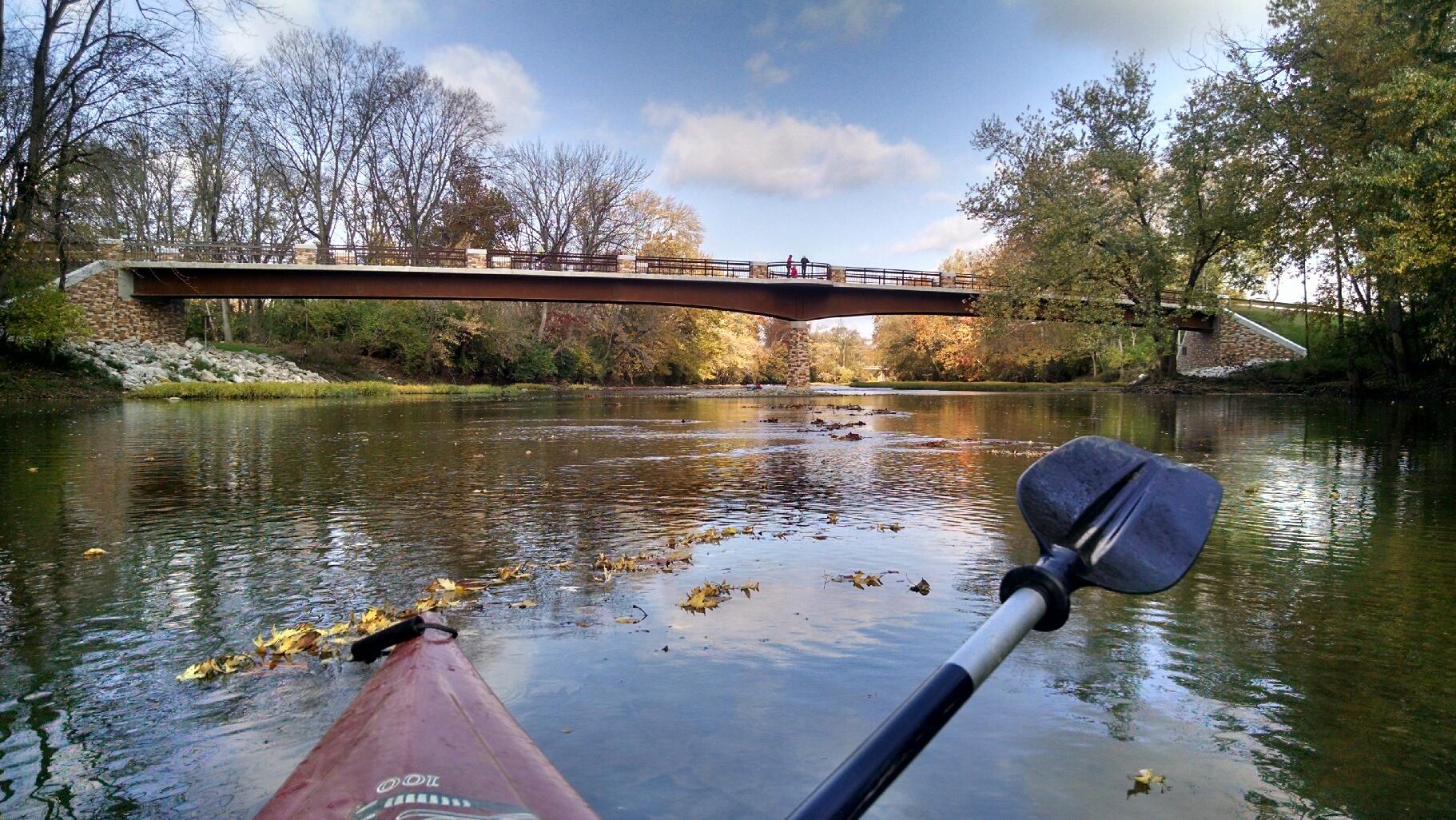
One of the most common questions people ask before paddling, kayaking, fishing, or floating on the Great Miami River is simple:
"Is the water safe?"
The good news is that, in most cases, the answer is yes. Thousands of people safely enjoy the river each year. However, like many rivers across the country, the Great Miami can experience temporary spikes in bacteria levels, particularly after rainfall. Understanding when those conditions occur and how to plan around them can help you enjoy the river safely and confidently.
What Are River Bacteria Levels Measuring?

When discussing river recreation safety, most monitoring focuses on E. coli, a type of bacteria used as an indicator of fecal contamination in waterways. High E. coli levels don't necessarily mean you'll get sick, but they suggest that other harmful microorganisms may be present in the water.
Sources of bacteria can include:
Pet waste
Stormwater runoff
Failing septic systems
Agricultural runoff
Wildlife waste
Urban storm sewers
The greatest risk comes from swallowing river water during recreational activities.
Rain Changes Everything

The single biggest factor affecting bacteria levels in the Great Miami River is rain.
When rain falls across the watershed, runoff carries bacteria from streets, fields, yards, and other surfaces into streams and rivers. At the same time, higher water flows stir up sediments and transport additional contaminants downstream.
Research by the Miami Conservancy District found that as little as 0.30 inches of rain can significantly increase E. coli concentrations in the river. Fortunately, bacteria levels often decline relatively quickly once dry weather returns. Many samples collected 48 to 72 hours after rainfall showed bacteria levels returning to acceptable recreational conditions.
What Does Ohio Consider Unsafe?
The Ohio EPA considers recreational waters unsafe when E. coli concentrations exceed 298 colony counts per 100 milliliters of water. This threshold is used by the Great Miami Riverway's bacteria monitoring system to help inform recreational users.
To make conditions easier to understand, the Riverway's online bacteria map reports conditions as:
Good Condition – Estimated low bacteria levels
Advisory Condition – Estimated high bacteria levels
Offline – Monitoring data unavailable
How Riverway's Bacteria Monitoring Tool Works
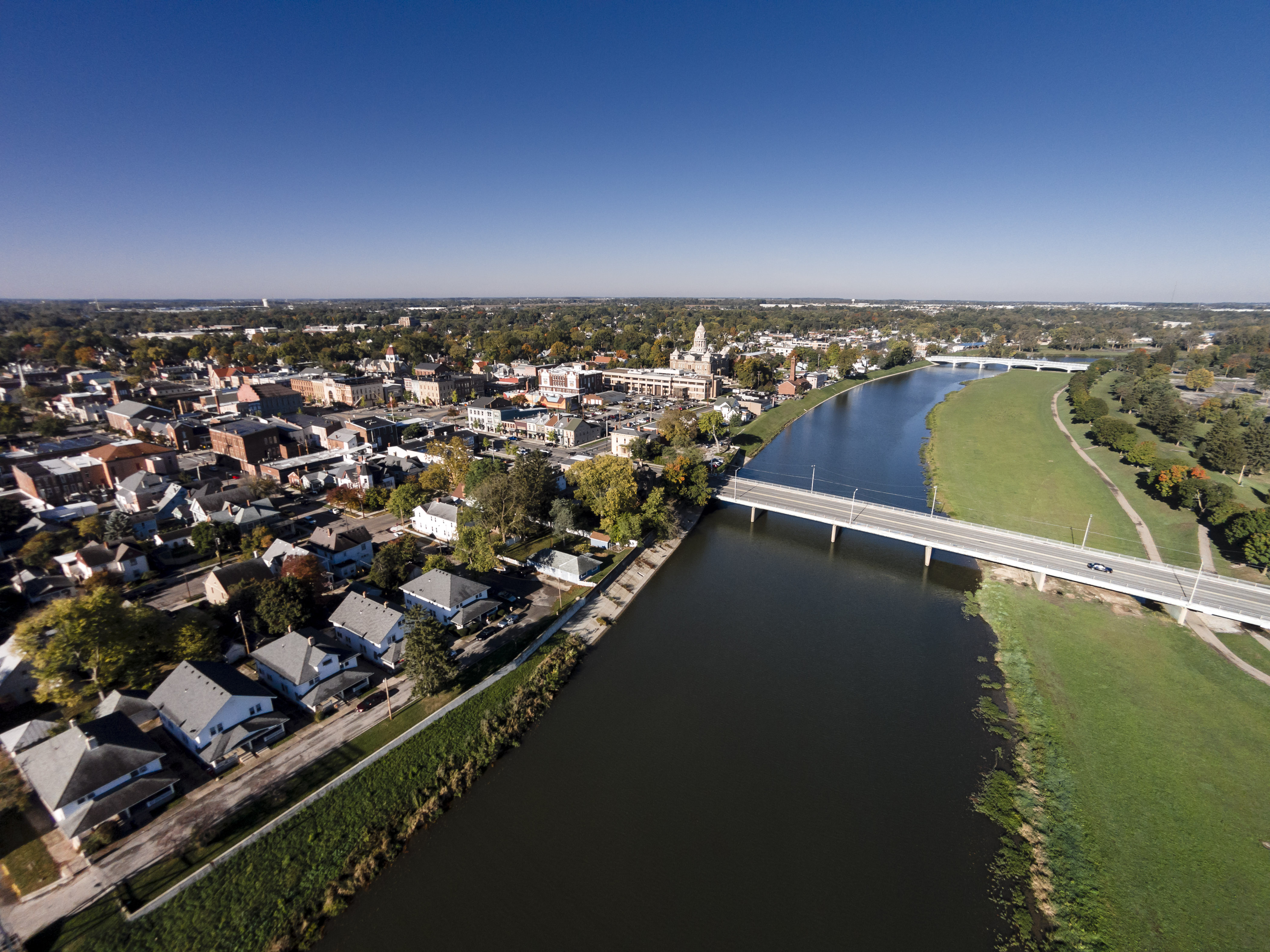
The Great Miami Riverway and Miami Conservancy District use research, rainfall data, weather conditions, and river information to estimate bacteria levels at multiple locations along the river. The monitoring system operates seasonally from May 1 through October 31, when recreational use is highest.
While no forecasting system can guarantee conditions are 100% accurate, the tool provides valuable information to help paddlers and river users make informed decisions before heading out.

Tips for Safe River Recreation
If you're planning a paddling trip or other water-based adventure, following a few simple guidelines can significantly reduce your risk.
Check Conditions Before You Go
The Riverway's online condition maps provide information on:
River levels
Flow conditions
Trail conditions
Estimated bacteria levels
Wait After Heavy Rain
One of the easiest ways to reduce exposure to elevated bacteria levels is to avoid water recreation immediately after significant rainfall and give the river time to recover. Dry-weather recreation generally presents the lowest risk.
Avoid Swallowing River Water
Most recreational illnesses occur when contaminated water is ingested. Whether kayaking, canoeing, paddleboarding, or swimming, try to avoid getting river water in your mouth.
Be Extra Cautious with Open Wounds
People with open cuts, skin infections, or compromised immune systems should take additional precautions and consult a healthcare provider if they have concerns about river recreation.
Practice General River Safety
Water quality is only one part of recreation safety. Before launching:
Wear a life jacket
Never paddle alone
Monitor weather conditions
Watch for debris and strong currents
Tell someone your plans before heading out
The Bottom Line

The Great Miami River is a tremendous recreational resource enjoyed by paddlers, anglers, boaters, and outdoor enthusiasts across southwest Ohio. While bacteria levels can temporarily increase after rain events, conditions are often suitable for recreation during dry weather, especially when visitors use available tools to monitor current conditions.
The smartest approach is simple: check conditions, avoid the river immediately after heavy rain, and use common-sense safety practices.
A little planning can help ensure your next Great Miami River adventure is memorable for all the right reasons. 🚣♀️🌊🛶
Before your next trip, check river levels, trail conditions, and bacteria forecasts through the Great Miami Riverway's condition monitoring tools.