Bridging Trail Gaps: Eco-Friendly Erosion Solutions In Monroe 🚲
Monroe Trail Projects Advance with Regional Partnership and Design Services Underway
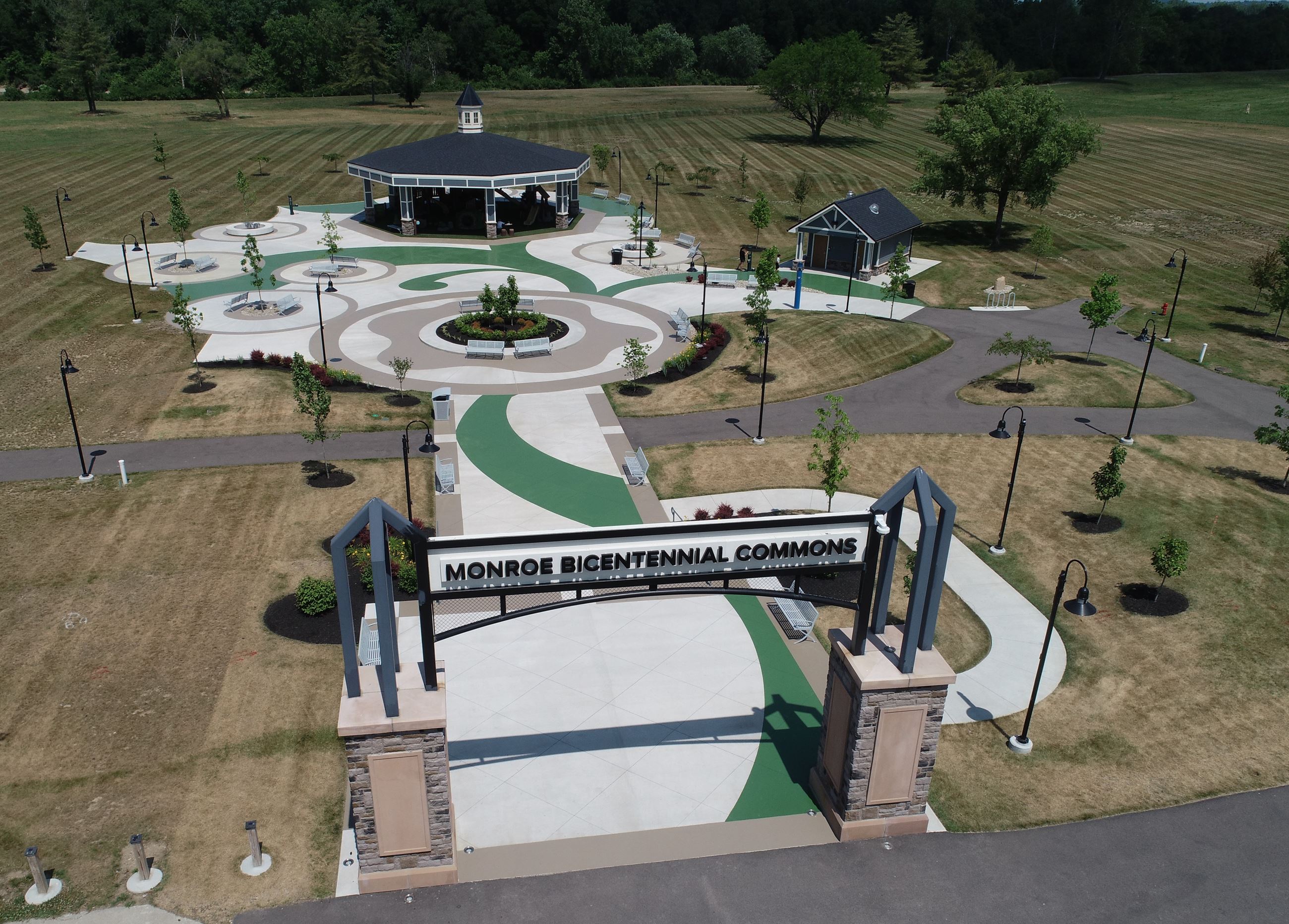
The City of Monroe is moving forward on two significant trail improvement projects at Bicentennial Commons Park, with regional partners actively working to address a critical gap in the Great Miami River Recreation Trail.
Monroe City Council recently approved the Great Miami River trail-loop and the Great Miami Riverside Trail projects, with a combined estimated cost of $4.8 million. Federal funding will cover $2.2 million, with the city responsible for the remaining $2.6 million.
The 1-mile multi-use path loop around Bicentennial Commons Park carries an estimated cost of approximately $1.18 million, with federal funding covering 90 percent. The 1.8-mile Great Miami Riverside Trail will extend from the park loop north to the city limits at an estimated cost of $3.69 million, with federal funding covering approximately 30 percent.
Streambank Erosion Challenges
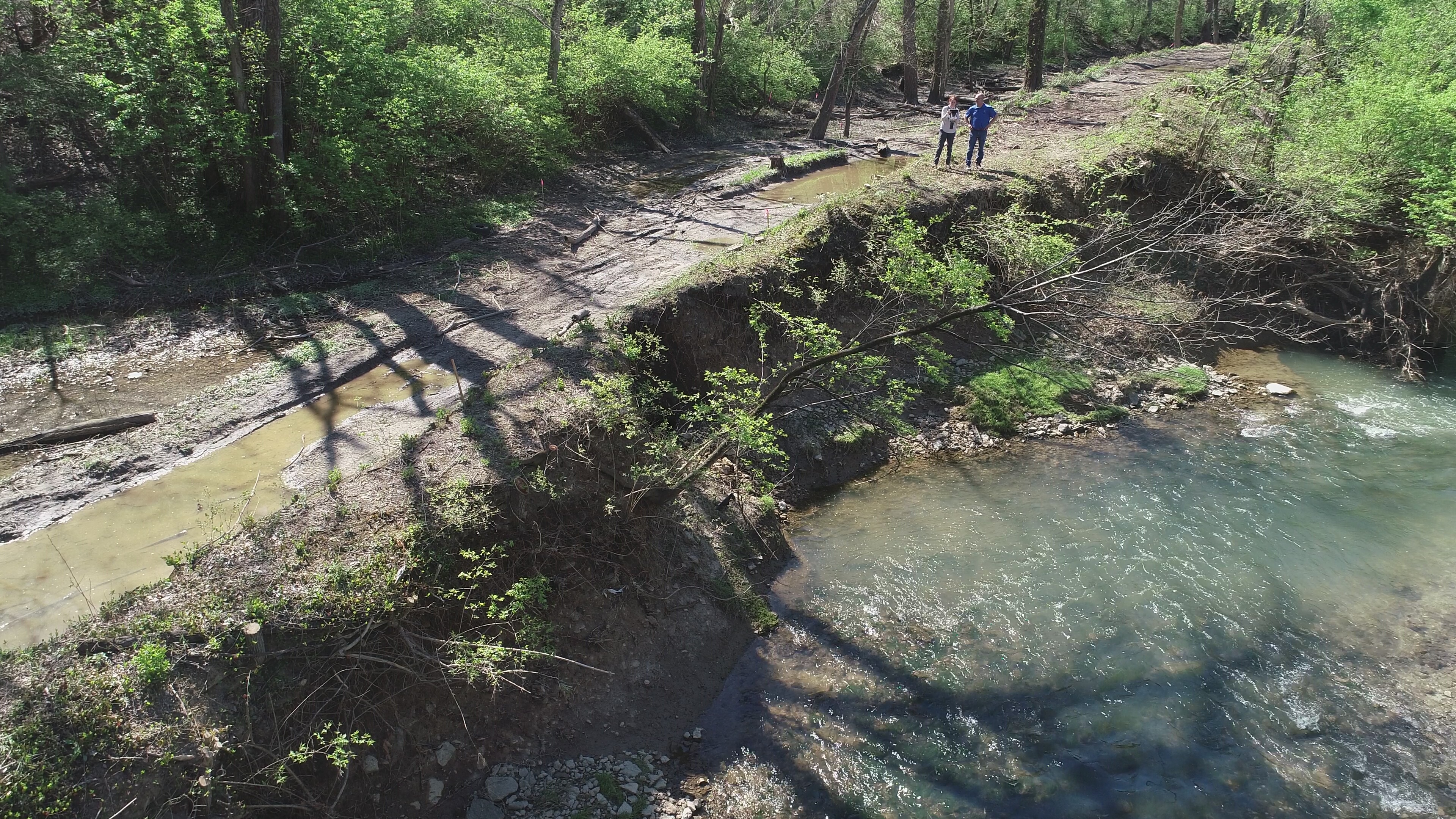
A key component of the riverside trail project involves addressing severe streambank erosion along Dick's Creek on the northern end, an issue that has long prevented completion of the trail through this section. The Great Miami Riverway and Miami Conservancy District are cooperating with the City of Monroe to solve this challenge.
The partners have contracted with Stantec Consulting Services Inc. to develop a conceptual engineering design for stream restoration and bioengineering solutions. The design approach will use ecologically informed techniques including boulder toe protection with root wads, live brush layering, in-stream structures, and native plantings to stabilize the eroding banks while enhancing aquatic habitat.
Stantec has successfully implemented similar bioengineered streambank stabilization projects in Butler County, including work with Greater Cincinnati Water Works along the Great Miami River and a design-build restoration project at Governor Bebb Metropark for Metroparks of Butler County.
The initial conceptual design phase is expected to take approximately three months, with the partners working collaboratively to identify funding sources for subsequent design, permitting, and construction phases. While no timeline has been established for project completion, all parties are actively engaged in moving the project forward.